Our Mission
To empower Afghan women and girls by expanding access to education and vocational training, economic opportunities, humanitarian assistance, protection from violence, and meaningful participation in community life.
Afghan Women’s Empowerment and Development Organization (AWEDO) is an independent Afghan non-governmental and non-profit organization working to expand opportunity, protection and resilience for women, girls and vulnerable communities.
Founded in 2010, AWEDO works alongside women, girls and vulnerable communities to address barriers to education, livelihoods, participation, protection and essential assistance. Our approach is grounded in local knowledge and shaped by the priorities of the communities we serve.
We combine community consultation, responsible program management, safeguarding and collaboration with civil society, service providers, local authorities and development partners. The aim is practical: create pathways to greater independence, safety, skills and resilience.
To empower Afghan women and girls by expanding access to education and vocational training, economic opportunities, humanitarian assistance, protection from violence, and meaningful participation in community life.
An inclusive, peaceful and resilient Afghanistan where women and girls live with dignity, exercise their rights, participate meaningfully in society and have equitable access to opportunities and services.
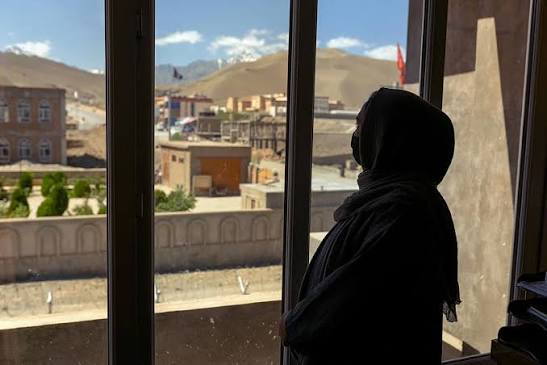
UN Women’s Afghanistan Gender Index reports that nearly eight in ten young Afghan women are excluded from education, employment and training, and continues to document severe restrictions affecting women’s safety, movement, education, employment and public participation. AWEDO’s programming is designed and adapted around this reality, not despite it.
AWEDO’s program portfolio addresses the overlapping barriers that affect women, girls and vulnerable communities. Each area links to more detailed program information.
Supporting participation, confidence, leadership and access to opportunity.
Building practical knowledge and skills for learning, work and self-reliance.
Expanding livelihoods, enterprise skills and pathways to income generation.
Supporting vulnerable households and communities during periods of crisis and hardship.
Promoting safer environments, awareness, protection and respectful community engagement.
Professional delivery is not only about what an organization does, but how it makes decisions, protects people and manages responsibility.
We seek to understand local priorities and use community consultation to inform program design and implementation.
We work to reduce barriers to participation and consider the needs of women, girls and vulnerable groups.
We emphasize clear responsibilities, feedback channels, documentation and responsible use of organizational resources.
We expect safe conduct and promote prevention of exploitation, abuse, harassment and other forms of misconduct.
Stakeholders can review AWEDO’s governance, accountability, safeguarding and policy information through dedicated public pages.
Visit our programs, projects, public resources and contact pages to learn more about our areas of work and how to engage with the organization.