Listen & Assess
Understand needs, barriers, risks and local priorities before defining activities.
AWEDO works across five connected program areas designed around dignity, participation, learning, livelihoods, humanitarian needs and protection. Our programming is informed by community priorities and current evidence from Afghanistan.
For program partnerships, technical coordination, community referrals or institutional inquiries, contact our team through the official website.
AWEDO’s program pages distinguish between national context data and organization-specific information. We do not present external statistics as our own results. Program quality is supported through safeguarding, community feedback, documentation and referral-minded delivery.
Review our organizational policies and accountability approach.
Understand needs, barriers, risks and local priorities before defining activities.
Plan for safe access, dignity, disability inclusion, confidentiality and practical participation.
Use clear roles, documentation, safeguarding standards and appropriate referral pathways.
Review feedback, implementation evidence and lessons to improve future programming.
Each program area has its own technical focus, while safeguarding, accountability, inclusion and community participation are applied across the portfolio.
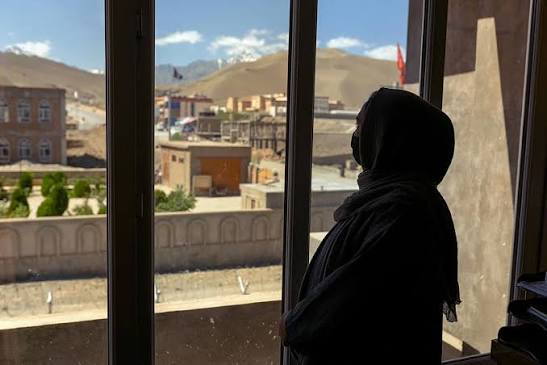
Participation, confidence, leadership, community dialogue and practical pathways that strengthen women’s agency.
Learn More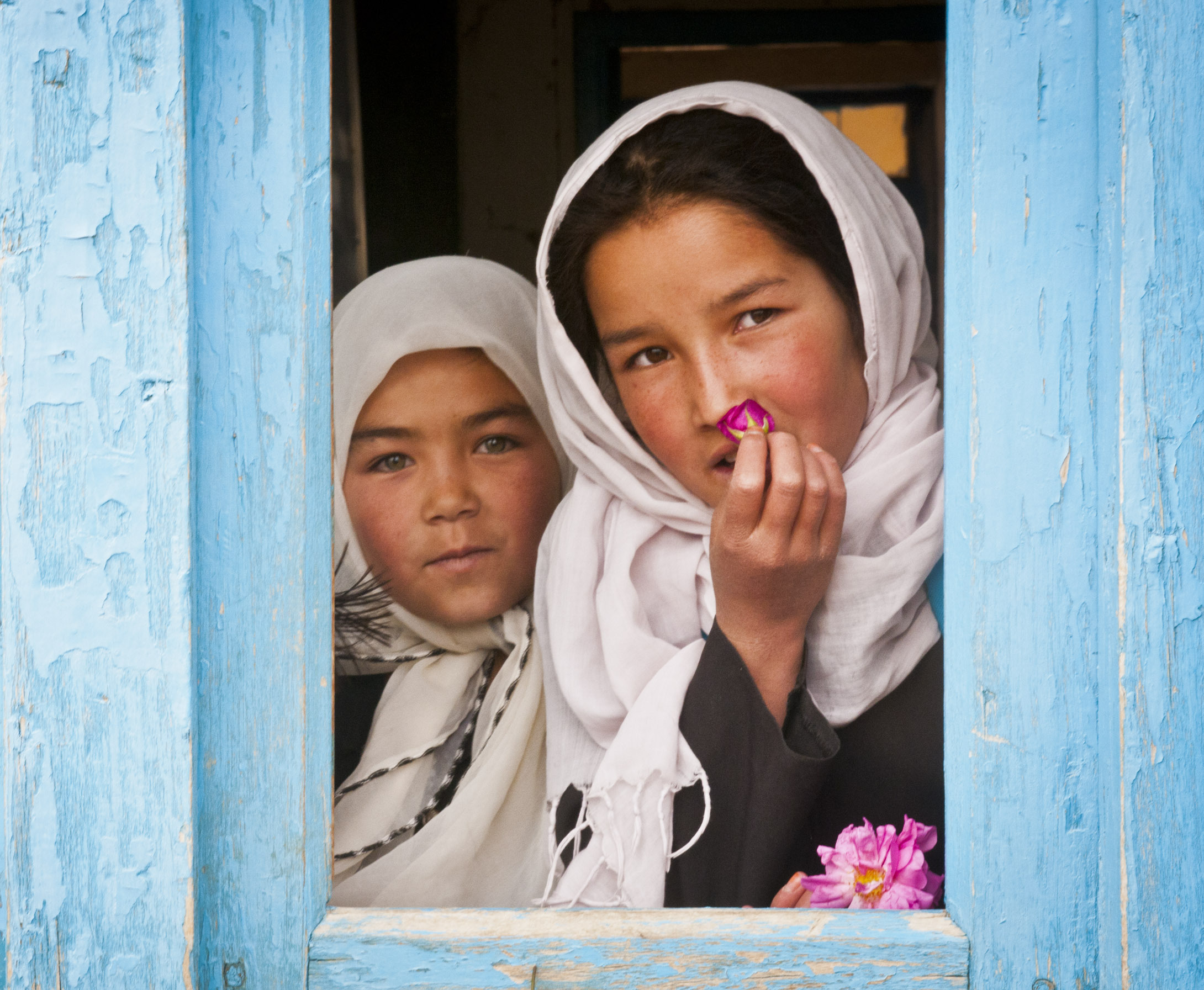
Literacy, learning support, practical skills and vocational pathways responsive to local conditions.
Learn More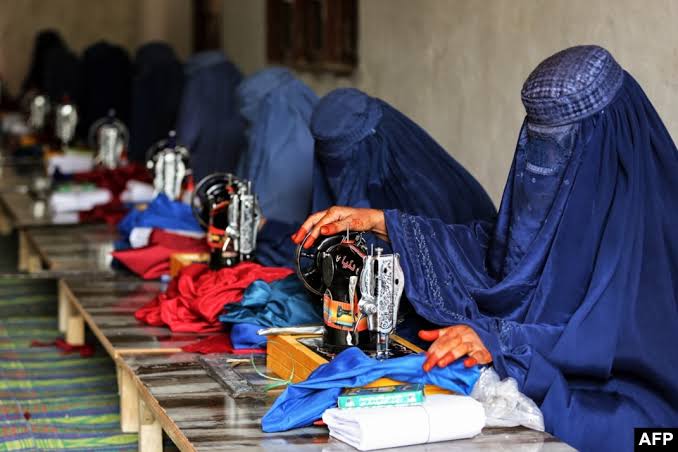
Skills, entrepreneurship, market awareness and livelihood support that help women pursue safer economic opportunities.
Learn More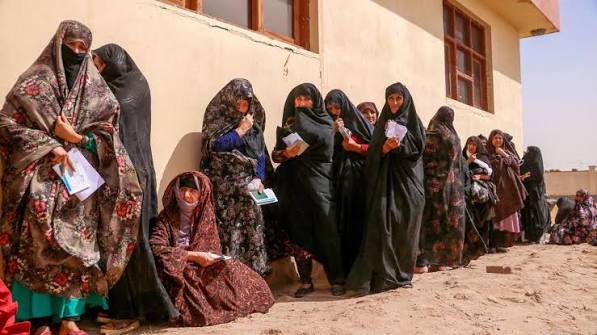
Needs-based support, referral, recovery and essential assistance for vulnerable households and communities.
Learn More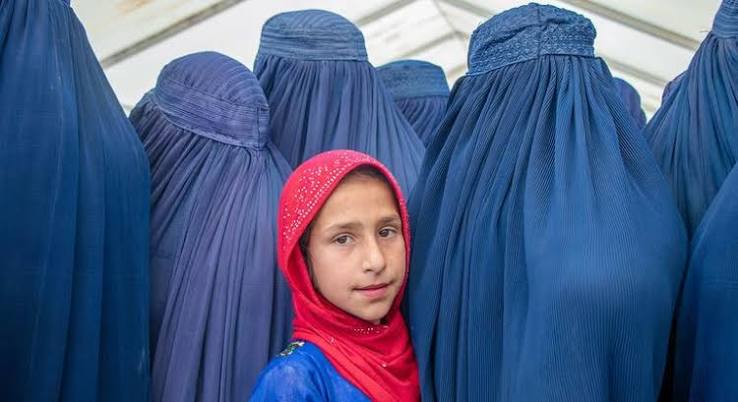
Awareness, safe referral information, safeguarding and community engagement centered on dignity and confidentiality.
Learn MoreNational data show severe and overlapping barriers affecting education, work, humanitarian access and participation. These figures describe the wider Afghan context; they are not AWEDO beneficiary counts.