Afghan Women’s Empowerment and Development Organization (AWEDO)
Program Area

Education & Vocational Training

Expanding practical learning opportunities through literacy, foundational education support and vocational skills that can help women and girls build knowledge, confidence and future options.

Evidence source

Education Access Remains a National Emergency

UNESCO and UNICEF continue to call for the restoration of girls’ and women’s right to education. AWEDO uses this national context to inform program relevance without presenting national statistics as organization-specific achievements.

2.2 million

Adolescent girls barred from secondary school.

Read the UNESCO/UNICEF 2026 update

Learning pathway

From Access to Practical Application

Assess Learning Needs

Identify current skills, barriers and participant priorities.
Build Core Skills

Use structured, practical and understandable learning activities.

Practice

Apply knowledge through exercises, demonstrations and hands-on tasks.

Connect to Next Steps

Provide appropriate information on continued learning, livelihoods or referral options.
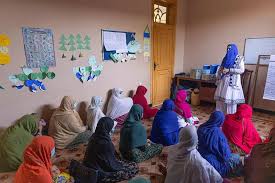
Afghan women and girls participating in a classroom learning session
Our approach

Learning That Is Practical, Accessible and Protective

Programs are designed around the needs and constraints of participants. Depending on context, activities may include literacy support, foundational learning, career readiness and vocational skills linked to realistic livelihood pathways.

Literacy & Foundational LearningReading, writing, numeracy and practical learning support.
Vocational SkillsHands-on training such as tailoring, handicrafts and other locally relevant skills.
Career ReadinessCommunication, planning, basic digital awareness and work-preparation skills where feasible.
Safe LearningSafeguarding, respectful facilitation and participant feedback integrated into delivery.
Education in practice

Learning, Participation and Education Awareness

These user-provided Afghanistan photographs illustrate learning and education-awareness contexts relevant to this program area.

Afghan women and girls participating in a learning session

Community Learning

Women and girls taking part in a facilitated learning environment.
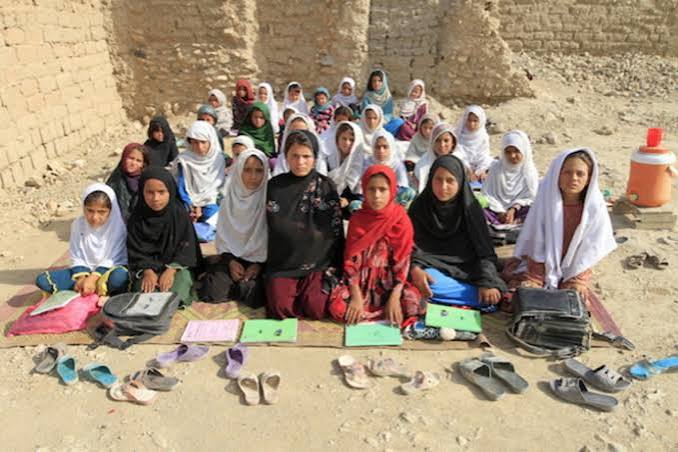
Afghan girls participating in an outdoor learning activity in Afghanistan

Girls’ Education

Education support remains central to opportunity, confidence and participation.
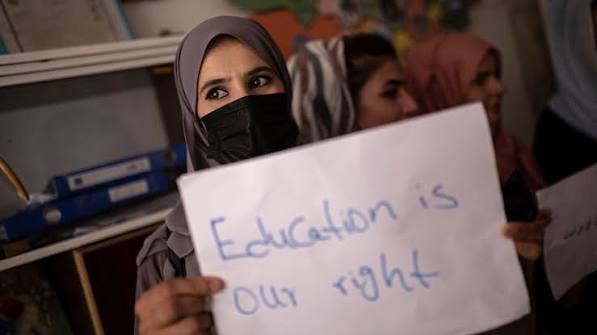
Afghan woman raising awareness about the right to education

Education Awareness

Community awareness can help keep attention on the right to learning and skills development.

2.2MAdolescent girls are banned from attending secondary school.UNESCO & UNICEF, Jan 2026
2.13M+Primary-aged children were reported out of school in UNESCO’s 2025 education crisis update.UNESCO, Oct 2025
Only countryAfghanistan remains the only country where secondary and higher education is forbidden to girls and women.UNESCO, 2026
Skills matterAlternative and practical learning pathways remain critical where formal opportunities are constrained.Program rationale